




Canberra's restaurant scene fights for survival
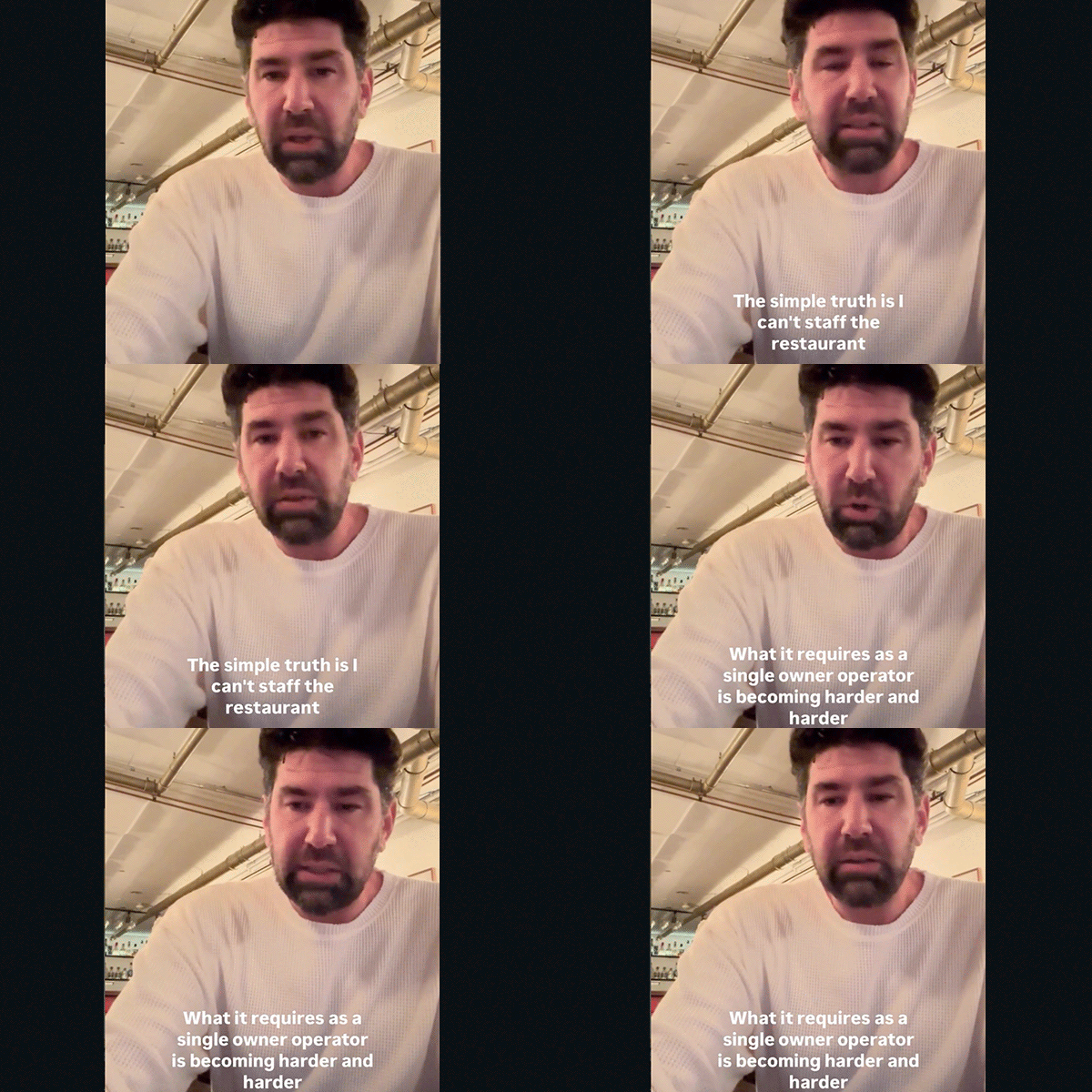
Video: Onzieme Restaurant/Instagram
One of the capital's most celebrated dining destinations is closing its doors, in a move that signals the deepening crisis facing Canberra's hospitality sector. 2025 Sydney Morning Herald Restaurant of the Year nominee Onzieme, will serve its final meal on May 30, with owner Louis Couttoupes citing an unsustainable staffing environment as the deciding factor.
"Aggressive poaching within the industry has compounded the perennial challenge of finding and retaining skilled staff," Couttoupes said. "We get newly trained chefs that can't make mayonnaise or fillet a fish, which usually means I carry more of the load, including putting in the effort to train staff up, only to lose them to big-city players that can afford to pay wages 30 to 40 per cent above market rates."
His decision to close the Kingston brasserie is far from an isolated story. "It's the toughest it's been for hospitality in decades," Bar Rochford owner Nick Smith told the SMH.
The data backs him up.
A 2026 CreditorWatch report found more than one in ten restaurants and cafes collapsed over the past year, giving hospitality the highest failure rate of any industry in Australia.
Canberra operators are navigating a confluence of pressures familiar across the country — softening household budgets, staffing gaps, declining alcohol consumption among younger diners and sharply rising produce costs. In a smaller city where weeknight covers are already hard to fill, the margin for error is razor thin.
Infrastructure is compounding the pain for inner-city venues. Bar Rochford has been caught in disruption caused by light rail construction, reduced parking and access restrictions that Smith says have devastated foot traffic. "Visitor numbers are down about 30 per cent in recent months. We've relied a lot on walk-ins, but there's no flow now. And we face the prospect of restricted access and parking until about 2030." The construction has already claimed casualties, including Bada Bing — a multi-million dollar venture that lasted just 18 months.
For independent operators, scale is an increasing disadvantage. Max Walker of one-hatted Paranormal Wines told the SMH larger players put disproportionate pressure on smaller venues. "To survive, smaller venues have to be nimble, offer staff a better work-life balance and continue to adapt to changing consumer preferences for more casual eating." Industry veteran Jeff Lamshed of Lamshed's Food + Wine is equally blunt: "Costs really jumped after COVID, yet government seems to think it's still the 1990s when it was a profitable business. I fear some great independent venues won't survive."
Some operators have found a path forward through reinvention. AK Ramakrishna, who closed Asian fine diner XO in 2023, has thrived since pivoting to a Malaysian street food format at AK's in Acton. "It's freed me up to return to my roots and cook authentic regional specialities rather than dumming down the spice and heat."
Canberrans have shown loyalty when operators have aired their struggles publicly — but whether community goodwill translates into enough covers to keep the city's independents alive remains the defining question for the sector.
Jonathan Jackson, 21st April 2026


